At our clinic, acupuncture isn't a separate alternative treatment — it's one tool our chartered physiotherapists use alongside hands-on therapy and exercise, chosen when the assessment suggests it will genuinely help.
Acupuncture involves inserting very fine stainless steel needles into the skin at specific points. It has been practised in China for thousands of years, and has been used increasingly within Western medicine since the 1970s.
The version your physiotherapist practises is usually described as Western medical acupuncture. Rather than working from traditional concepts of energy flow, it applies current understanding of anatomy, physiology and pain science — using needling to influence the nervous system and the muscle tissue causing your symptoms.
It is rarely used on its own. It sits alongside exercise, manual therapy and advice as one part of a wider plan, and can be particularly useful where pain is limiting your ability to do the rehabilitation that will get you better.
Physiotherapists are the largest group of healthcare professionals practising acupuncture in the UK, and most acupuncture given here is for musculoskeletal problems — exactly the conditions physiotherapists are trained to diagnose and treat.
That matters because the needling is never the whole answer. A physiotherapist assesses why the problem is there in the first place, and can combine needling with the exercise and hands-on treatment that addresses the underlying cause.
Needling produces measurable physiological effects. Here's what the current evidence says is going on.
Needling prompts the release of endorphins and oxytocin — the body's natural pain- and stress-relieving chemicals.
Stimulating nerve fibres helps block pain messages travelling to the brain, which can turn the volume down on persistent pain.
Treatment can reduce the sensitivity of tender points in muscle, easing the tightness that limits how freely you move.
Acupuncture encourages the release of melatonin, which supports sleep, and serotonin, which lifts general sense of wellbeing.
Acupuncture is never the starting point. Your physiotherapist assesses your problem, takes a full medical history and explains whether needling is likely to help you.
Nothing happens until you have had your questions answered and given consent. You'll be positioned comfortably, usually lying down.
Very fine, sterile, single-use needles are inserted at chosen points. Most people feel a brief prick, then a dull ache or warmth — not the sharp pain of an injection.
Needles usually stay in for around 20-30 minutes while you rest. Your physiotherapist then reviews how you responded and adjusts the wider treatment plan.
How many sessions? This varies from person to person. Some people notice a change after one or two sessions; others need several before the benefit builds. Your physiotherapist will review progress with you as you go, and will say honestly if acupuncture isn't proving helpful for you.
Acupuncture is considered a very safe treatment when it is carried out by a fully qualified, insured professional working to strict hygiene standards. Every needle we use is sterile, single-use, and disposed of in a sharps container immediately afterwards — needles are never reused.
Side effects are usually minor or absent. The most common is slight bruising. Some people experience tiredness, light-headedness, small spots of bleeding, or tenderness and redness where the needles were placed. If you feel tired afterwards, we'd advise resting, drinking plenty of water, and not driving or operating machinery until you feel yourself again.
If anything concerns you after a session, contact the clinic and speak to your physiotherapist.
Some conditions mean acupuncture shouldn't be used, or needs extra care. Please tell us before treatment if you...
This list isn't exhaustive — if you're unsure about anything in your medical history, mention it. It's always better to raise it than leave it out.
Acupuncture at Havering Therapy Centre is provided by our chartered physiotherapists as part of physiotherapy treatment, rather than as a standalone service.
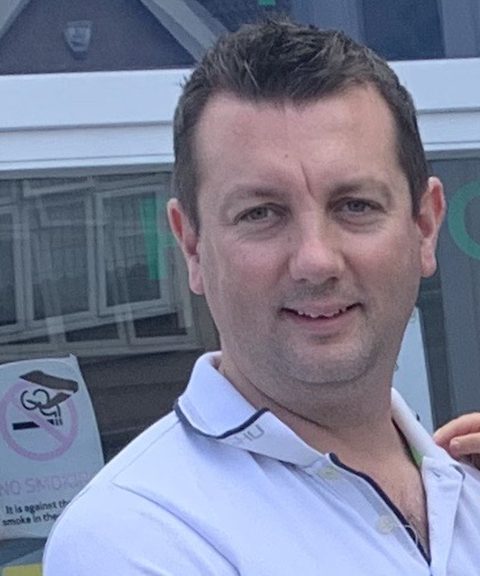
Qualified in 2003 and clinical lead at the centre, Graham uses acupuncture alongside manual therapy and rehabilitation for musculoskeletal and sports-related pain.
Qualified in 2005 and a former NHS team leader, Christina combines acupuncture with hands-on treatment and exercise as part of a wider plan.
A qualified acupuncturist with over 30 years' experience across the NHS and private practice, with a special interest in elderly rehabilitation.
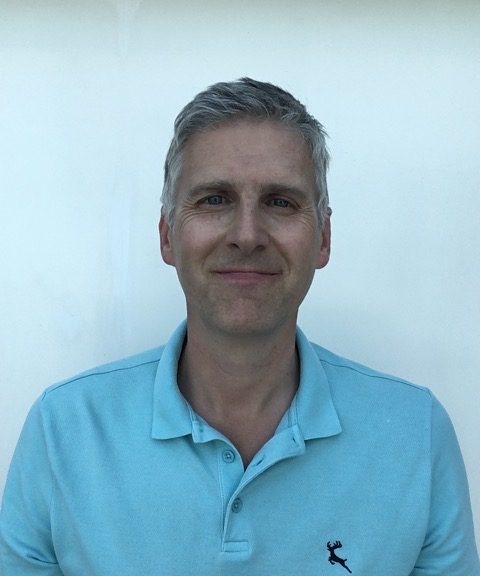
Qualified in 1997, Chris uses acupuncture particularly within his work on chronic pain, fatigue management and Long Covid.
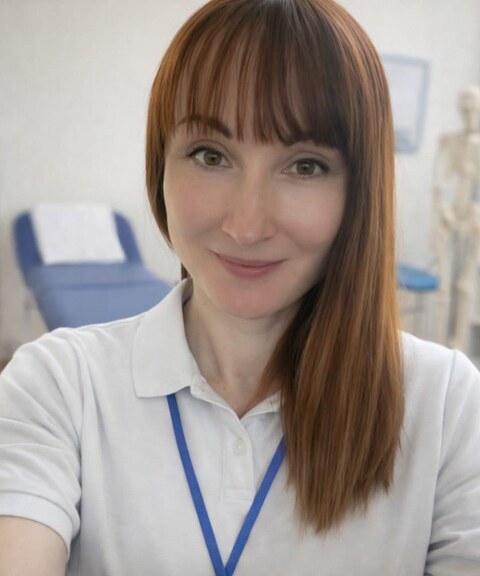
A Graduate Sports Therapist with 10 years' experience and a member of the Society of Sports Therapists, Kaitlan uses acupuncture as part of hands-on injury management and rehabilitation.
Dry needling uses the same fine, sterile, single-use needles, but with a narrower and more specific aim. Rather than working with a broader set of points, it targets tight bands within a muscle — often called trigger points — to release the tension and restore normal movement.
It's the technique of choice when a particular muscle is clearly driving your symptoms: a knotted calf limiting your stride, or a tight shoulder muscle referring pain down the arm. You may feel a brief twitch as the muscle releases, which is a normal and expected response.
As with acupuncture, it is one part of a plan rather than a treatment on its own, and the same safety considerations apply — so the points on this page about what to tell your physiotherapist beforehand hold true for dry needling as well.
A 2024 graduate of King's College London specialising in musculoskeletal conditions, Anna is qualified in dry needling.
A hands-on physiotherapist focused on sports rehabilitation and injury prevention, Shruti combines dry needling with remedial massage.
Not sure whether acupuncture or dry needling is right for your problem? You don't need to decide in advance. Book a physiotherapy assessment and we'll talk it through with you — if needling isn't likely to help, we'll tell you so and suggest what will.
Call the clinic or send us an email and we'll help you find the right appointment.
Call 01708 621111 Email the clinicInformation on this page is intended as a general guide and is informed by guidance from the Acupuncture Association of Chartered Physiotherapists (AACP). It is not a substitute for individual clinical advice — your physiotherapist will assess your own circumstances before recommending any treatment.